Idiom SECOND THOUGHTS
Vydáno dne 24.03.2026
Spojení SECOND THOUGHT(S) je součástí čtyř užitečných idiomů. Jsou
určeny pokročilým studentům a určitě se budou hodit.
Idiom SECOND THOUGHTS
Slovíčko thought
have second thoughts
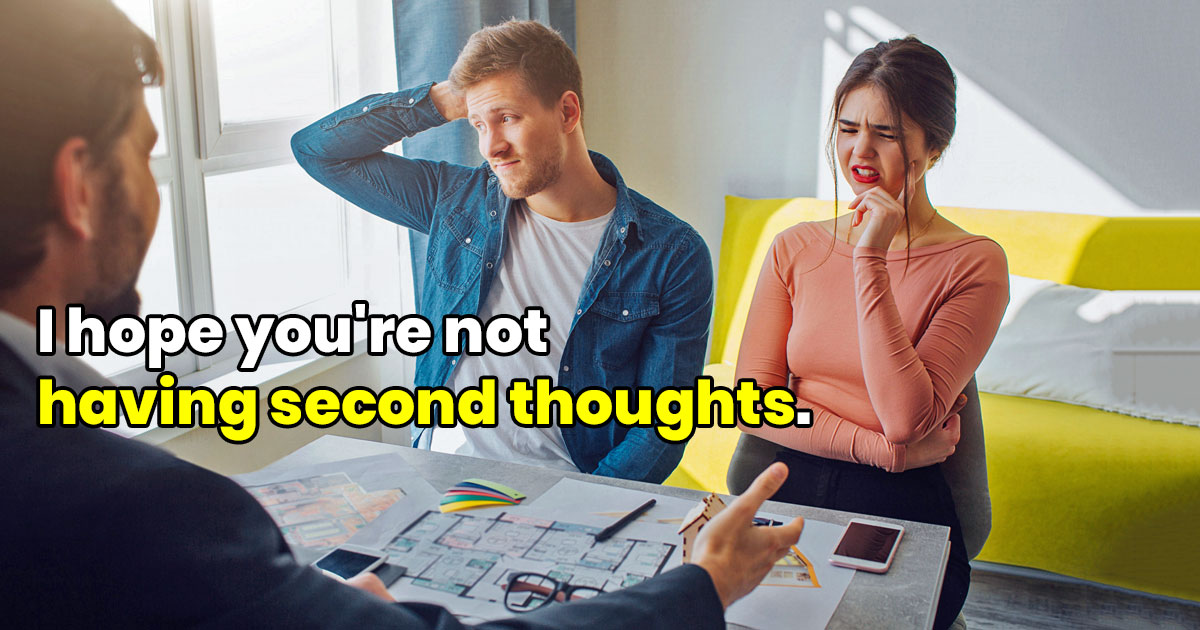
Jako první si zmíníme second
thoughts ve významu
pochybnosti nebo přehodnocení svého
původního rozhodnutí. Používá se ve spojení have second thoughts
You're not having second thoughts, are you?
I liked the idea, but then I started having second thoughts about the whole project.
She loved him dearly, but started having second thoughts about marrying him.
I was going to buy her a watch for Christmas, but I'm having second thoughts now.
Susan had second thoughts about signing the prenup, but she eventually did it.
I immediately started to have second thoughts about my decisions, but it was too late.
on second thought(s)
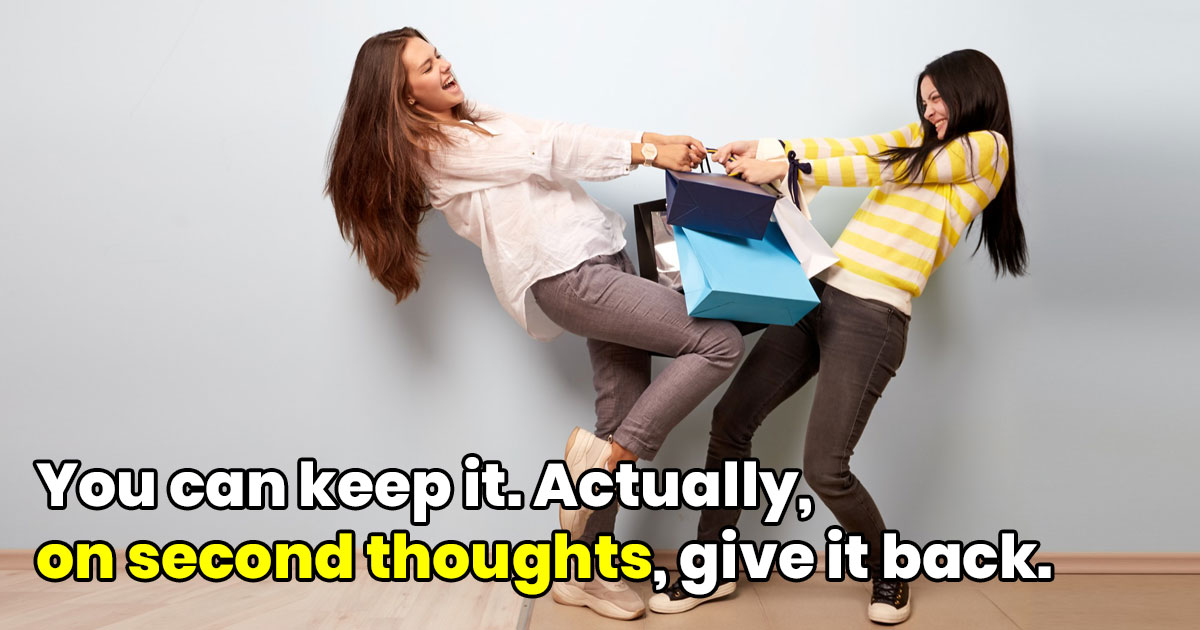
Další spojení je pak on second
thoughts nebo on second thought
No problem, you can keep it. On second thoughts, give it back to him.
I'll have tea. On second thoughts, can you make me some coffee?
We'll go there tomorrow. Well, on second thoughts, we should go there today.
without a second thought
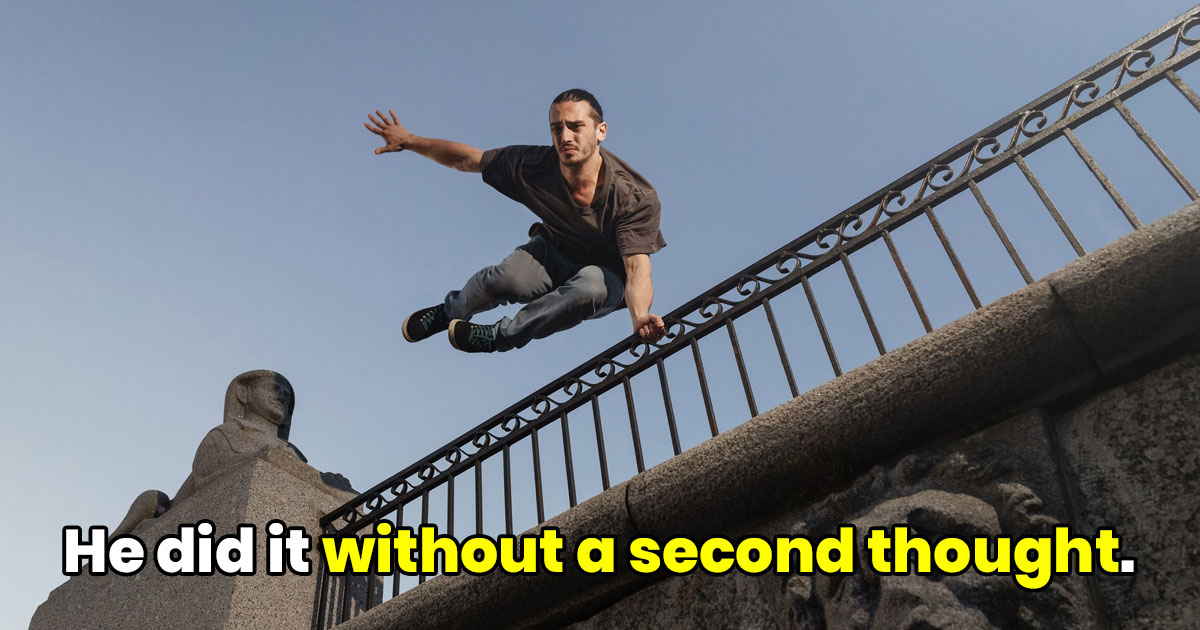
Jestliže je idiom použit v jednotném čísle (se členem) a second thought,
pak má význam rozmyšlení, rozmysl. Použije se
s předložkou a vznikne spojení without a second thought
He did it without a second thought.
She just laughed and ignored the comment without a second thought.
He will easily buy an expensive suit without a second thought.
give sth a second thought
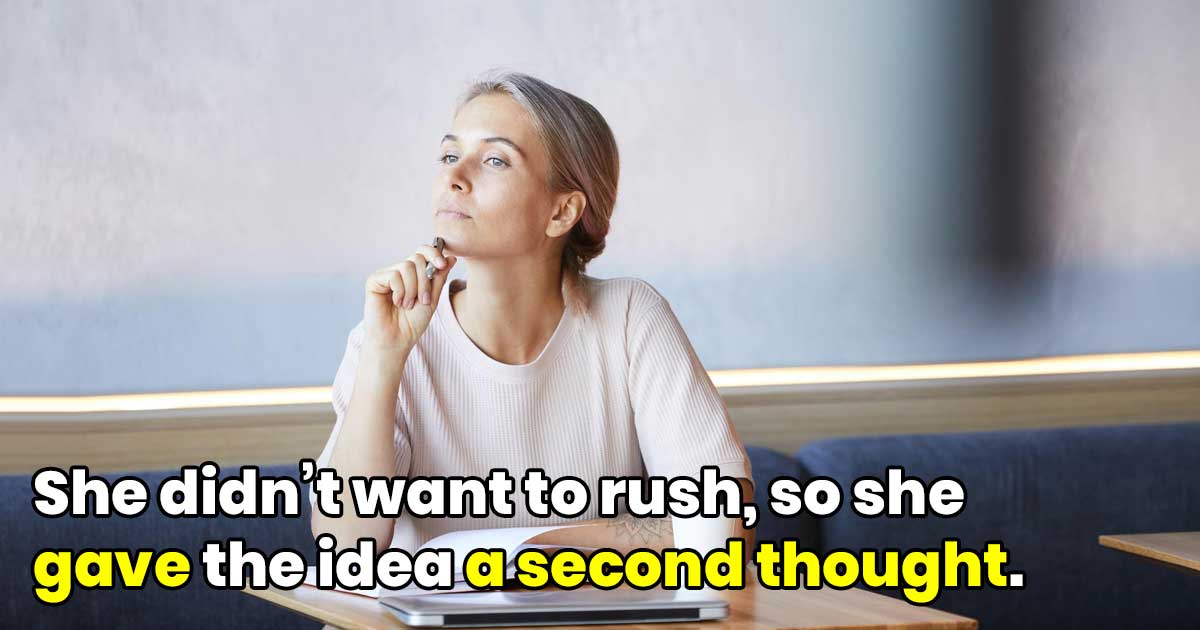
Poslední idiom souvisí s předchozím. A second thought zde má opět význam rozmyšlení/zamyšlení.
V kladné větě má spojení to give sth a second thought význam vrátit se k něčemu (co už bylo rozmyšleno), znovu se zamyslet, rozmyslet si/se apod.
I gave it a second thought and came up with a better solution.
For a few days he felt really bad about it, but then he gave it a second thought and didn't mind it so much.
They were extremely busy and asked me to come back in thirty minutes. Then they gave it a second thought and asked me to come back in an hour.
Častěji se ale používá v záporu not to give sth a second thought a znamená nepřemýšlet moc o něčem, bez rozmyslu.
I didn't really give it a second thought and now I regret it, to be honest.
The police officer asked her peculiar questions. She didn't give it a second thought, though, until much later when she got home.
She didn't give it a second thought and moved into the most dangerous neighbourhood in town.
He never gives his decisions a second thought, no matter how crucial they are.
Záporný rozkaz Don't give it a second thought může mít ovšem také význam Netrap se tím / Nemysli na to / Zapomeň na to.
When I broke the wine glass, I felt bad, but she just laughed and said, “Don't give it a second thought. It was a cheap glass from Ikea.”
Please don't give it a second thought. I wasn't offended.
Pozn.: Stejný význam má spojení to give / not to give sth another thought.
Závěr
Idiom second thought(s) má poměrně široké použití a překlady do češtiny. Základní význam je však podobný. Doslova “druhá myšlenka” / “druhé zamyšlení” naznačuje návrat k něčemu dříve rozhodnutému.
- Nechceš si to rozmyslet, že ne?
- Ten nápad se mi líbil, ale pak jsem o tom celém projektu začal mít pochybnosti.
- Hluboce ho milovala, ale začala mít pochybnosti, jestli se za něj vdát.
- Chtěl jsem jí koupit k Vánocům hodinky, ale teď začínám váhat.
- Susan měla pochyby, jestli tu předmanželskou smlouvu podepsat, ale nakonec to udělala.
- Okamžitě jsem o svých rozhodnutích začal pochybovat, ale bylo už pozdě.
- Žádný problém, nech si to, anebo víš co, vrať mu to.
- Dám si čaj, nebo víš co, můžeš mi udělat kávu?
- Půjdeme tam zítra. No, anebo víš co, měli bychom tam jít dneska.
- Udělal to bez rozmyslu.
- Jen se zasmála a tu připomínku ignorovala, aniž by o ní nějak přemýšlela.
- Snadno si koupí drahý oblek, aniž by o tom nějak přemýšlel.
- Ještě jsem se nad tím zamyslel a přišel jsem s lepším řešením.
- Pár dnů z toho měl opravdu špatný pocit, ale pak se nad tím zamyslel a už mu to tolik nevadilo.
- Měli tam strašně rušno a požádali mě, ať přijdu za třicet minut. Pak si to rozmysleli a řekli, ať přijdu za hodinu.
- Udělal jsem to docela bez rozmyslu a teď toho lituju, abych byl upřímný.
- Policista se jí ptal na zvláštní otázky. Ona o tom ale začala přemýšlet až o hodně později, když se dostala domů.
- Bez velkého přemýšlení se přestěhovala do nejnebezpečnější části města.
- Nikdy si svá rozhodnutí nepromýšlí a je jedno, jak jsou zásadní.
- Když jsem rozbil tu skleničku na víno, cítil jsem se špatně, ale ona se jen zasmála a řekla, "Netrap se tím. Byla to levná sklenice z Ikea."
- Prosím, zapomeň na to. Neurazilo mě to.