Různé druhy chůze v angličtině
Vydáno dne 04.03.2024
Víte, jak se v angličtině chodí po špičkách nebo naopak dupe?
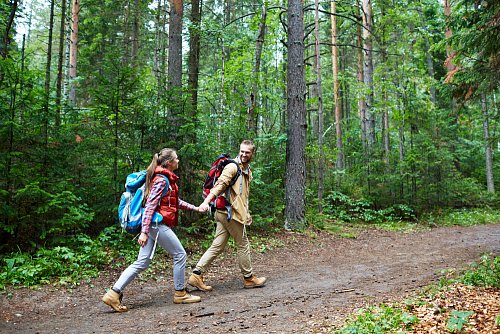
Jak vyjádřit: druhy chůze
Dnes si ukážeme slovesa, která souvisí s chůzí. Začneme asi nejzákladnějším slovesem go, ale zmíníme si hlavně pokročilejší slovíčka.
go
Sloveso go
Where are you going on holiday this year?
Rachel went for a walk and bumped into an old friend.
Pozn.: U tohoto sloveso je dobré dát si pozor na předložky. Více se dočtete v článku Předložkové vazby se slovesem GO.
walk
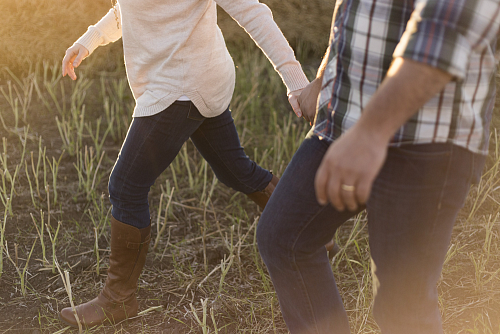
Druhé základní sloveso je walk
Mnoho studentů ovšem nevidí rozdíl mezi významem jít/jet a jít pěšky a často zde chybují. Více se dočtete v článku GO vs. WALK.
They didn't take a bus. They decided to walk instead.
It was such a lovely morning, so I walked to work. It took me about half an hour.
Může jít o obecný význam jít, hlavně s předložkami into, down nebo up.
She walked into the room and sat on the floor in the corner.
He was walking down the street when he noticed something strange.
march
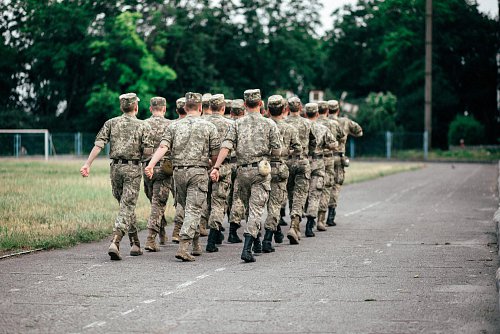
Další sloveso je march
Steve marched past the church and continued up the hill.
The soldiers marched across the field and stopped.
Pochodovat (vypochodovat, vpochodovat) se může i někam, čímž se myslí jít rázně, často proto, že jste naštvaní.
And then she marched out of the office. I had probably offended her.
stomp
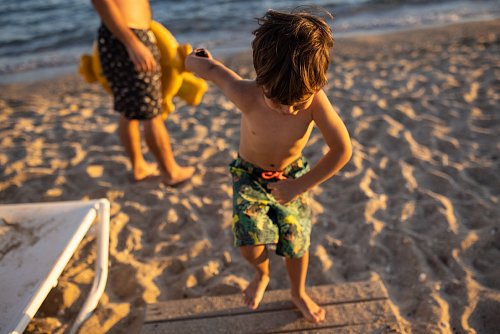
Podobný význam má sloveso stomp
His daughter stomped out of the room and slammed the door.
I stomped on the brake pedal and brought the car to a halt.
Jack was stomping his feet to the rhythm. He loved the song.
Pozn.: Stejný význam může mít i sloveso stamp.
stride

Další podobné slovíčko je stride
He strode around the car and opened the door for her.
Striding back into the house, he knocked his head on the door frame.
Becka watched her husband striding down the street, away from her.
Setkat se můžete i s podstatným jménem stride
He got to the main entrance in only a few strides.
pace
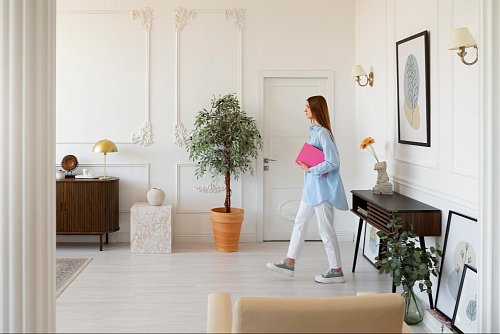
Další sloveso je pace
Martin hung up, stood up and started to pace the room nervously.
When I get nervous, I always pace back and forth.
The animal paced nervously back and forth inside the cage.
I zde se často setkáte s podstatným jménem s významem krok nebo tempo.
The roads were busy so we travelled at a snail's pace.
Please slow down. I can't keep pace with you.
tiptoe
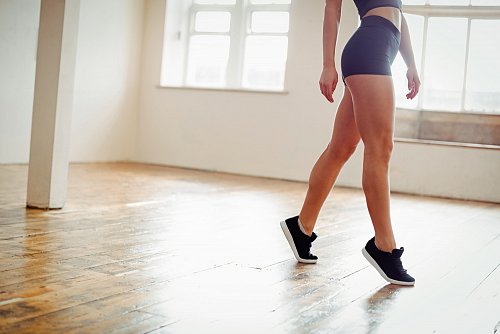
Slůvko tip znamená špička, slůvko
toe znamená prst u nohy. Sloveso
tiptoe
She tiptoed out of the room, because she didn't want to wake the baby.
The little boy tiptoed along the corridor, because he wanted to sneak into the kitchen and get some sweets.
Lze ho použít i přeneseně ve smyslu chodit po špičkách kolem nějaké nepříjemné záležitosti.
I didn't want to tiptoe around the subject so I told him. He wasn't happy.
stroll
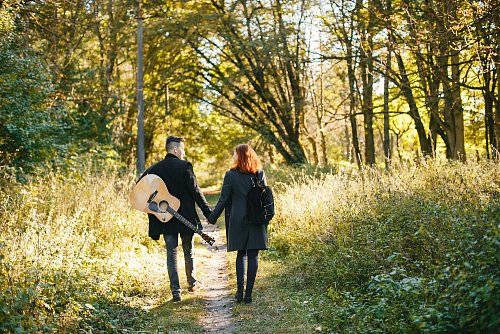
Další sloveso je stroll
Jessica finished her lunch in the park and strolled towards the back door, not wanting to go back to work.
David strolled down the street, thinking about the argument with his wife.
I zde může jít o podstatné jméno, slovo stroll
It was a beautiful morning, so we went for a stroll and then sat at an outdoor café.
Pozn.: Odvozeno je od něj slůvko stroller
wander
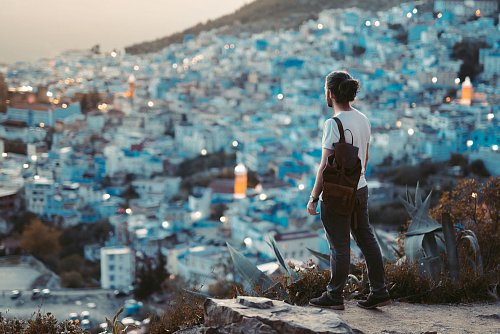
Poslední dnešní sloveso je wander
Teenagers love wandering around shopping malls in their free time. I don't quite get that.
She had nothing to do, so she just wandered around the house.
S předložkou off nebo from se pak používá jako odbíhat (od tématu).
Our teacher often wanders from the subject and starts talking about his personal life.
Pozn.: Pozor na podobná slovesa wander
- Kam jedete letos na dovolenou?
- Rachel šla na procházku a narazila na starého přítele.
- Nejeli autobusem. Rozhodli se místo toho jít pěšky.
- Bylo tak krásné ráno, tak jsem šel do práce pěšky. Trvalo mi to asi půl hodiny.
- Vešla do místnosti a sedla si v rohu na podlahu.
- Šel po ulici, když si všiml něčeho zvláštního.
- Steve pochodoval kolem kostela a pokračoval nahoru do kopce.
- Vojáci pochodovali přes pole a pak zastavili.
- A pak vypochodovala z kanceláře. Asi jsem ji urazil.
- Jeho dcera vypochodovala z pokoje a práskla dveřmi.
- Dupnul jsem na brzdu a zastavil auto.
- Jack si podupával do rytmu. Ta písnička se mu strašně líbila.
- Rychle obešel auto a otevřel jí dveře.
- Když mašíroval zpět do domu, udeřil se hlavou o rám dveří.
- Becka pozorovala svého může, jak svižně kráčí po ulici, od ní pryč.
- Dostal se k hlavnímu vchodu v pár krocích.
- Martin zavěsil, postavil se a začal nervózně přecházet po místnosti.
- Když jsem nervózní, vždycky přecházím sem a tam.
- To zvíře přecházelo v kleci nervózně ze strany na stranu.
- Silnice byly rušné, tak jsme cestovali šnečím tempem.
- Prosím zpomal. Nemohu s tebou držet krok.
- Odešla z místnosti po špičkách, protože nechtěla vzbudit to mimino.
- Chlapeček šel po chodbě po špičkách, protože se chtěl vplížit do kuchyně pro nějaké sladkosti.
- Nechtěl jsem kolem toho chodit po špičkách, tak jsem mu to řekl. Nadšený nebyl.
- Jessica dojedla v parku svůj oběd a pomalu šla k zadním dveřím, ale nechtělo se jí zpět do práce.
- David se coural po ulici a přemýšlel o hádce se svou ženou.
- Bylo krásné dopoledne, tak jsme se šli projít a pak jsme si sedli do venkovní kavárny.
- Náctiletí se ve volném čase rádi potulují po nákupních centrech. Moc to nechápu.
- Neměla co na práci, tak se jen potulovala po domě.
- Náš učitel často odběhne od tématu a začne mluvit o svém osobním životě.