Jak říct anglicky: horko, vedro, dusno
Vydáno dne 30.06.2025
Rozšiřte si slovní zásobu spojenou s velmi horkým počasím.
Horko, vedro, dusno …
Dnes se podíváme na pokročilejší slovíčka spojená s vedrem k zalknutí.
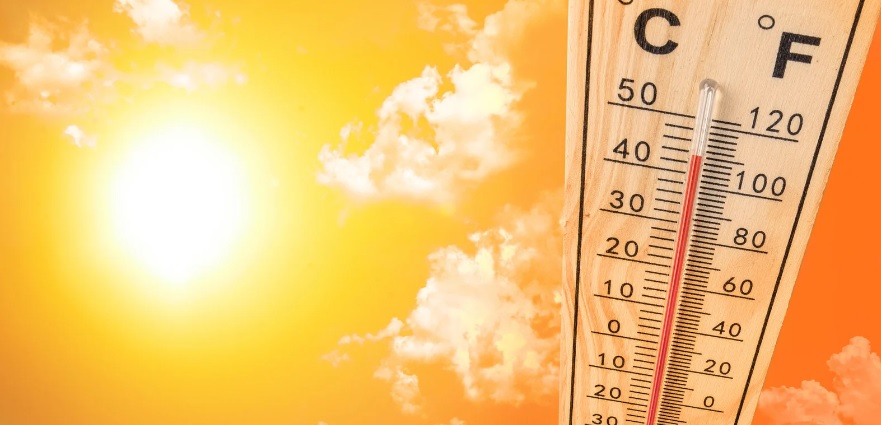
Hot, heat
Začneme ovšem základním přídavným jménem hot
It's hot. – Je horko.
I'm hot. – Je mi horko.
Začátečníci si jistě vystačí s těmito větami, ale my si je dnes rozšíříme a ukážeme si další užitečná slovíčka.
Zmíníme ale ještě příbuzné slůvko heat
The heat was unbearable, even in the shade.
We stayed indoors to escape the midday heat.
Boiling, baking, roasting
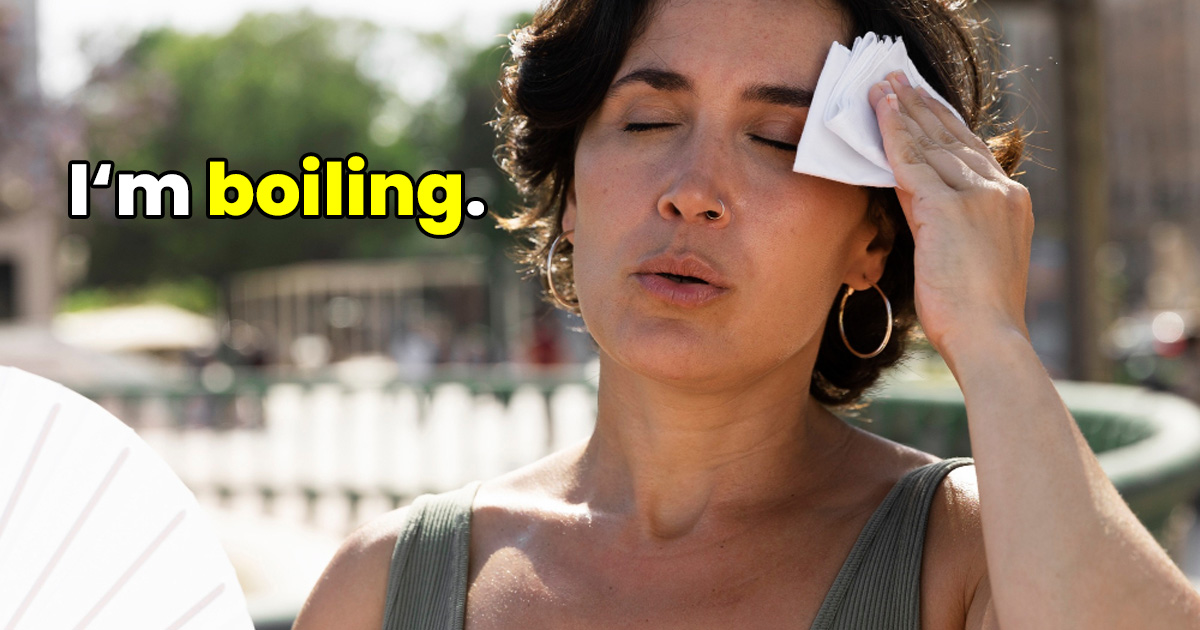
Tato slovíčka asi znáte ve spojení s vařením. Hodit se ale mohou i pro hovorové vyjádření toho, že se někdo peče, vedrem se vaří ve vlastní šťávě apod.
Všechna slova lze použít ve významu je strašné horko (it's boiling/baking/roasting), ale i je mi strašně horko (I'm boiling/baking/roasting).
It's absolutely boiling out there. Don't forget your water bottle.
I was boiling in that crowded tram without air conditioning.
I hate walking the dog in this weather. It's baking already at 9 a.m.
The car was like an oven. Just five minutes inside and I was baking.
I'm roasting in this suit. Why did I wear black today?
I'm not going outside. It's absolutely roasting.
Všimněte si, že slova boiling a roasting se pro zesílení používají ve spojení se slovem absolutely. Nedalo by se zde použít very. Patří totiž mezi tzv. limitní či extrémní přídavná jména. Více v článku Extrémní přídavná jména.
Scorch, scorching, scorcher

Nyní se dostáváme k pokročilejším slovíčkům. Sloveso scorch
Her shoulders were scorched after just an hour on the beach.
Flames scorched the walls of the building but didn't burn it down.
Odvozené scorching
It was a scorching afternoon, with no breeze at all.
Scorching temperatures are expected again this weekend.
It's scorching today. I can't believe we have to work outside.
Zajímavá je pak odvozenina scorcher
It's going to be a real scorcher today.
What a scorcher! I can't believe we decided to hike in this heat.
Swelter, sweltering
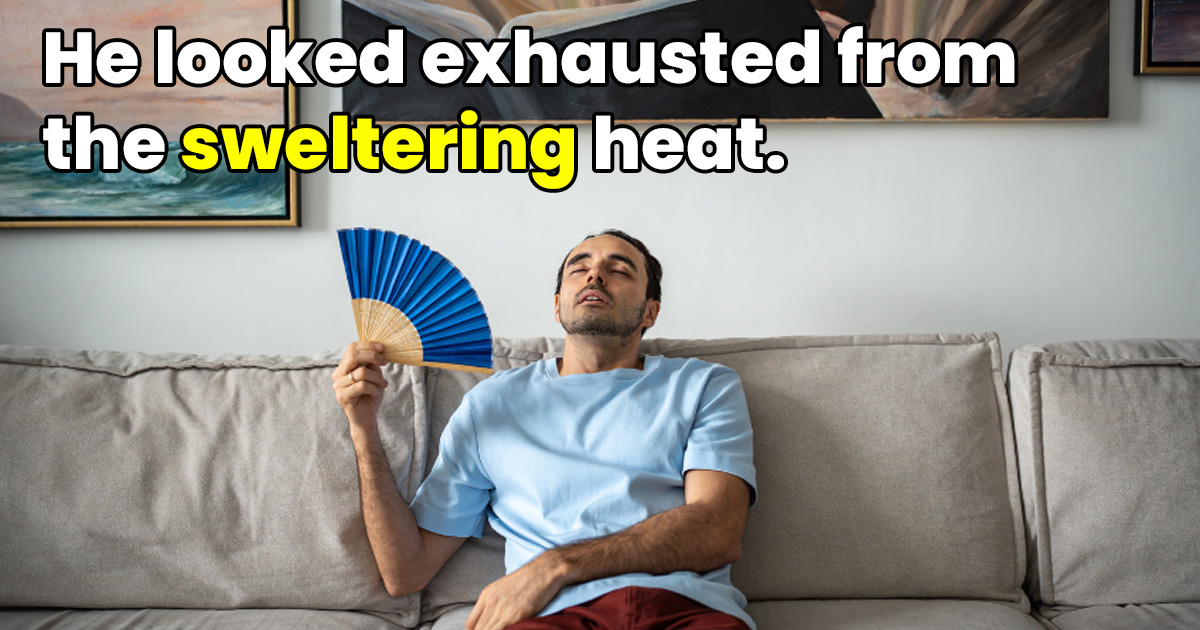
Dále zde máme sloveso swelter
The city sweltered in record-breaking temperatures.
He sweltered in the attic trying to fix the wiring.
Everyone was sweltering by the time the bus finally arrived.
Častěji ale uslyšíte odvozené přídavné jméno sweltering
We stepped out of the air-conditioned lobby into sweltering heat.
Sweltering temperatures continued into the night.
It was a sweltering afternoon with not a cloud in the sky.
Muggy, humid, stifling
S vedrem souvisí dusno, pro které se nejlépe hodí tato tři slova.
Slovo humid
It was so humid in the night I couldn't sleep.
She got used to the humid climate fairly easily.
Stejně se používá slovo muggy
It was very muggy yesterday. The weather made me tired. We were all hot and thirsty. The weather was so muggy.
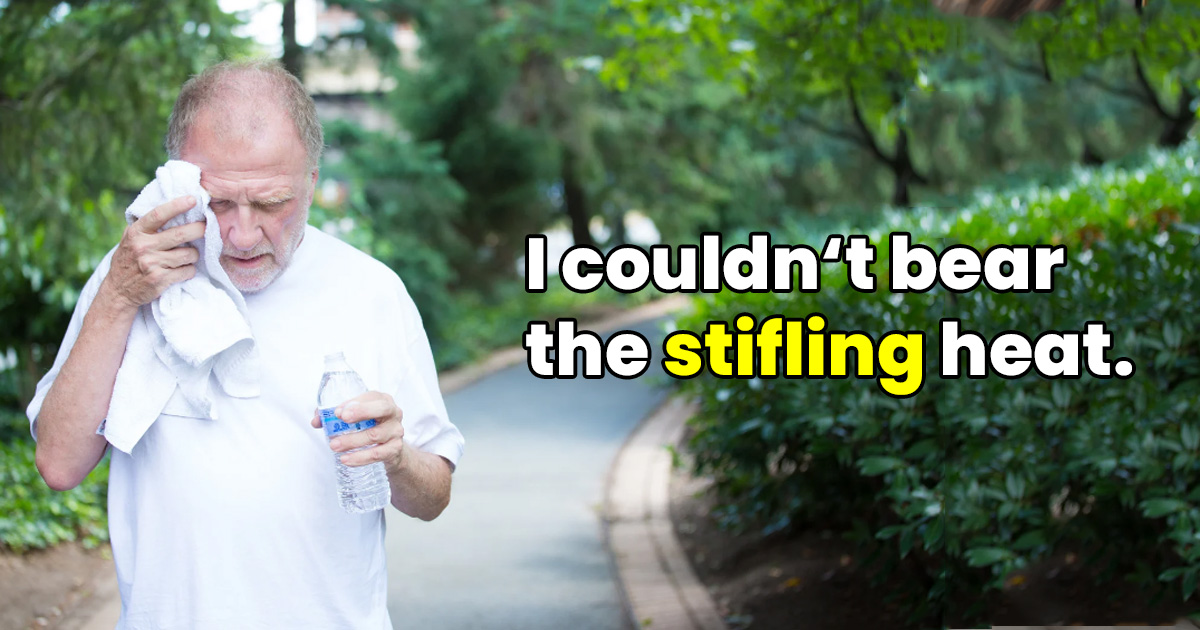
Slovíčko stifling
I can't bear this stifling heat.
I'm not going anywhere. It's stifling out there.
Pro překlad dusný možná slovo stuffy
It's so stuffy in here. Can I open a window?
It was very stuffy in the classroom with all the windows closed.
Baking hot

Pojďme se ale vrátit ještě na začátek, kde jsme si říkali, že it is hot znamená je horko. Některá dnes zmíněná slova se totiž velmi často používají před slovem hot.
It was baking hot in the tent, even with the flap open.
The bus was packed and boiling hot all the way home.
She stayed inside during the scorching hot day.
- To vedro se nedalo vydržet, ani ve stínu.
- Zůstali jsme uvnitř, abychom unikli polednímu horku.
- Venku je naprosto příšerné vedro. Nezapomeň si svou lahev s vodou.
- V té nacpané tramvaji bez klimatizace mi bylo strašně vedro.
- Nesnáším venčit psa v tomhle počasí. Už v devět ráno je vedro na padnutí.
- Auto bylo jako trouba. Pět minut uvnitř a už jsem se pekl.
- V tomhle obleku je mi hrozné vedro. Proč jsem si dnes vzal černou?
- Ven nejdu. Je tam příšerné vedro.
- Po pouhé hodině na pláži měla spálená ramena.
- Plameny ožehly zdi budovy, ale neshořela.
- Bylo to spalující odpoledne, bez sebemenšího vánku.
- O víkendu se opět očekávají spalující teploty.
- Dneska je hrozné vedro. Nechápu, že musíme pracovat venku.
- Dneska bude fakt pařák.
- To je teda vedro! Nechápu, že jsme se v tomto vedru rozhodli jít na túru.
- Město se dusilo v rekordních teplotách.
- Když se snažil na půdě opravit rozvody, padal horkem.
- Než autobus konečně přijel, všichni umírali horkem.
- Vyšli jsme z klimatizované haly do úmorného vedra.
- Úmorné teploty přetrvávaly i během noci.
- Bylo dusné odpoledne a na nebi ani mráček.
- V noci bylo tak dusno, že jsem nemohl spát.
- Na vlhké podnebí si zvykla poměrně snadno.
- Včera bylo velice dusno. Byl jsem z toho počasí unavený.
- Bylo nám všem horko a měli jsme žízeň. To počasí bylo vážně dusné.
- Toto dusivé vedro nemůžu vystát.
- Nikam nejdu. Je tam dusno.
- Je tu hrozné dusno. Můžu otevřít okno?
- Ve třídě bylo velice dusno, když byla všechna okna zavřená.
- Ve stanu byl pařák, i když byl otevřený.
- Autobus byl narvaný a celou cestou domů v něm bylo příšerné vedro.
- Zůstala celý ten spalující den uvnitř.