
for - pro
BrE
/'fə/
AmE
/'fər/

preposition - to be meant to, to be given to

 
address - oslovit (někoho)
BrE
/ə'dres/
AmE
/ə'dres/

verb - to speak to somebody, to write to somebody

must
must - muset
BrE
/'mʌst/
AmE
/'mʌst/

verb - to have to, to have an obligation to

 
adhere - přilnout, lepit se, lnout, přilepit se
BrE
/əd'hɪə/
AmE
/əd'hɪr/

verb - to stick to something, to attach to something

ADVANCED

CAE: Listening, part 3

Cambridge ESOL | 1. 4. 2007 | komentáře: 17

Cvičný poslechový test cambridgské zkoušky CAE, část 3. Pokračování článku »
 
litter - nosítka (pro panovníka, důležitou osobu)
BrE
/'lɪtə/
AmE
/'lɪt̬ər/

noun - a wheelless vehicle consisting of a bed or couch mounted on poles, used for carrying a person of high rank or importance on the shoulders of bearers

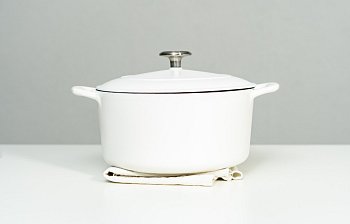
Dutch oven
Dutch oven - litinový hrnec, litinový pekáč (s poklicí)
BrE
/ˌdʌtʃ'ʌvn/
AmE
/ˌdʌtʃ'ʌvn/

noun - a heavy, thick-walled cooking pot with a tight-fitting lid, typically made of cast iron or enamelled cast iron, used for slow cooking, braising, or baking

 
fossilization - fosilizace, zkamenění
BrE
/ˌfɒsəlaɪ'zeɪʃn/
AmE
/ˌfɑ:səlaɪ'zeɪʃn/

noun - the process by which something becomes fossilized; often used literally for bones or plants turning into fossils, or metaphorically for ideas or behaviors becoming fixed and unchanging

paddock
paddock - výběh (pro koně), padok (místo pro koně před dostihem)
BrE
/'pædək/
AmE
/'pædək/

noun, technical - a small, enclosed field used especially for keeping or exercising horses; an enclosed area at a racecourse where horses are paraded, saddled, and mounted before a race
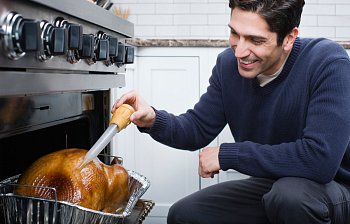
baster
baster - pipeta na podlévání
BrE
/'beɪstə/
AmE
/'beɪstər/

noun - a kitchen utensil in the form of a large pipette with a rubber end that is used for spreading liquid fat or juices on food when cooking

 
past perfect - předminulý čas, předminulý čas prostý
BrE
/ˌpɑ:st'pɜ:fɪkt/
AmE
/ˌpæst'pɜ:rfekt/

noun - a grammatical structure that is used for actions that happened before another action in the past, the structure is HAD + past participle (had done, hadn't seen etc.)