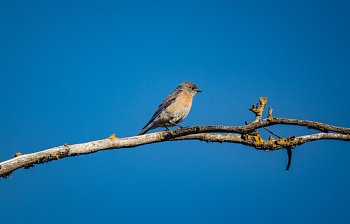
perch
perch - sednout si (jako na bidélko), sedět na bidélku
BrE
/'pɜ:tʃ/
AmE
/'pɜ:rtʃ/

verb - (of a bird) to sit on a branch etc.

phrasal verb
phrasal verb - frázové sloveso
BrE
/ˌfreɪzl'vɜ:b/
AmE
/ˌfreɪzl'vɜ:rb/

noun - a verb that consists of two or more parts (a verb and a preposition), e.g. 'get up', 'put up with' etc.

 
Paul - Pavel
BrE
/'pɔ:l/
AmE
/'pɔ:l/

noun - a man's name

 
Peter - Petr
BrE
/'pi:tə/
AmE
/'pi:t̬ər/

noun - a man's name

 
pimp - pasák (prostitutek)
BrE
/'pɪmp/
AmE
/'pɪmp/

noun, informal - a man who is in charge of prostitutes and finds customers for them

 
muffin - dámské přirození
BrE
/'mʌfɪn/
AmE
/'mʌfɪn/

noun, informal - a word for the outer sex organs of a woman

 
passive - trpný rod, pasivum
BrE
/'pæsɪv/
AmE
/'pæsɪv/

noun - the grammatical structure we use when the logical subject of the sentence is used as the grammatical subject, the structure is BE + past participle (be done, be finished, be stolen etc.)

 
participle - příčestí, participium
BrE
/pɑ:'tɪsɪpl/
AmE
/'pɑ:rt̬ɪsɪpl/

noun - a non-finite verb form used with other verbs or sometimes as an adjective: e.g. drinking, drunk

 
pecker - pták (penis), čurák (penis)
BrE
/'pekə/
AmE
/'pekər/

noun, taboo - a vulgar word for a penis

 
prick - pták (penis), čurák (penis)
BrE
/'prɪk/
AmE
/'prɪk/

noun, taboo - a vulgar word for a penis

 
piss off - nasrat (někoho)
BrE
/ˌpɪs'ɒf/
AmE
/ˌpɪs'ɑ:f/

verb, taboo - a vulgar word that means 'to make somebody very angry'

 
piss off - jít do prdele, jít do hajzlu
BrE
/ˌpɪs'ɒf/
AmE
/ˌpɪs'ɑ:f/

verb, taboo - a vulgar expression which you say to somebody when they make you very angry

 
piss - chcanky
BrE
/'pɪs/
AmE
/'pɪs/

noun, taboo - a vulgar word for 'urine'

 
piss - chcát
BrE
/'pɪs/
AmE
/'pɪs/

verb, taboo - a vulgar way how to say 'to pee, to urinate'

 
past perfect continuous - předminulý průběhový čas
BrE
/ˌpɑ:st'pɜfɪkt kən'tɪnjʊəs/
AmE
/ˌpæst'pɜ:rfekt kən'tɪnjʊəs/

noun - a grammatical structure that we use for actions that had been happening up to a certain moment in the past, the structure is HAD BEEN + present participle (had been going, had been talking etc.)