plan on - zamýšlet, mít v úmyslu, plánovat
BrE
/'plæn ɒn/
AmE
/'plæn ɒn/

verb - to intend to do something

 
out of control - nekontrolovatelný, neovladatelný, neříditelný
BrE
/aʊt ɒv kən'trəʊl/
AmE
/aʊt ɑ:v kən'troʊl/

phrase - to be impossible to control

 
go for - jít si za (něčím), pokusit se získat, usilovat o (něco)
BrE
/'gəʊ fə/
AmE
/'goʊ fər/

verb - to try to achieve something

 
do - dařit se, mít se, vést
BrE
/'du:/
AmE
/'du:/

verb - to succeed, to make progress

 
carry - obsahovat, nést v sobě, mít
BrE
/'kæri/
AmE
/'kæri/

verb - to contain, to include something

 
pop - zvýraznit, vyzdvihnout
BrE
/'pɒp/
AmE
/'pɑ:p/

verb - to draw attention to something

 
stick with - zůstat u, držet se (někoho nebo něčeho)
BrE
/'stɪk wɪθ/
AmE
/'stɪk wɪθ/

verb, informal - to stay close to someone

 
assist - asistovat, pomoci
BrE
/ə'sɪst/
AmE
/ə'sɪst/

verb - to give help to someone

 
mean - mít v úmyslu, chtít
BrE
/'mi:n/
AmE
/'mi:n/

verb - to intend to do something

 
tip - převrátit (se), překlopit (se), naklonit (se), nahnout (se)
BrE
/'tɪp/
AmE
/'tɪp/

verb - to fall to the side, to turn over; to make something fall to the side or turn over

fermentation
fermentation - kvašení, fermentace
BrE
/'fɜ:men'teɪʃn/
AmE
/'fɜ:rmen'teɪʃn/

noun - a chemical process in which sugars are converted into alcohol and carbon dioxide by the action of yeast or bacteria, commonly used in the production of wine, beer, and other beverages

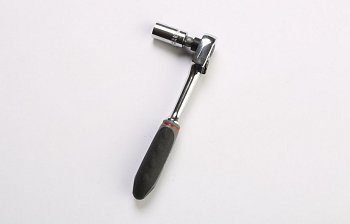
ratchet
ratchet - ráčnový mechanismus, ráčna, rohatka
BrE
/'rætʃɪt/
AmE
/'rætʃɪt/

noun, technical - a device or a part of a machine consisting of a bar or wheel with a set of angled teeth, allowing motion in one direction only, used in tools or mechanisms

 
black-eyed pea - vigna čínská, špagetová fazol
BrE
/ˌblækaɪd'pi:/
AmE
/ˌblækaɪd'pi:/

noun - a type of legume (Vigna unguiculata) with small, kidney-shaped beans having a black spot resembling an eye, commonly used as food in various cuisines, especially in the southern United States

 
passive - trpný rod, pasivum
BrE
/'pæsɪv/
AmE
/'pæsɪv/

noun - the grammatical structure we use when the logical subject of the sentence is used as the grammatical subject, the structure is BE + past participle (be done, be finished, be stolen etc.)

 
passive voice - trpný rod, pasivum
BrE
/ˌpæsɪv'vɔɪs/
AmE
/ˌpæsɪv'vɔɪs/

noun - the grammatical structure we use when the logical subject of the sentence is used as the grammatical subject, the structure is BE + past participle (be done, be finished, be stolen etc.)