noun
-
a tense that is used for actions that happened at some point in the past or happened regularly in the past, were generally true etc. Verbs usually have the ending -ED and in questions and negatives we usually use DID / DIDN'T
simple
- prostý, jednoduchý
BrE
/'sɪmpl/
AmE
/'sɪmpl/
adjective
-
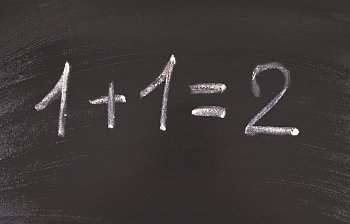
easy, plain, not difficult or complicated
trap
- past
BrE
/'træp/
AmE
/'træp/
noun
-
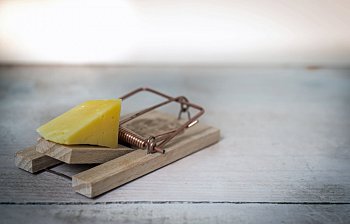
an apparatus or thing that is meant to catch somebody or something (e.g. a mouse)
keep sth simple
- nekomplikovat
BrE
/ˌki:p sʌmθɪŋ'sɪmpl/
AmE
/ˌki:p sʌmθɪŋ'sɪmpl/
verb
-
not to complicate something
run past
- probrat, zkonzultovat (něco s někým)
BrE
/ˌrʌn 'pɑ:st/
AmE
/ˌrʌn 'pæst/
verb, informal
-
to discuss an idea with someone in order to see what they think about it
present simple
- přítomný prostý čas
BrE
/'preznt sɪmpl/
AmE
/ˌpreznt 'sɪmpl/
noun
-
a tense that is used for actions that happen regularly, are generally true etc. In questions and negatives we use DO / DOES / DON'T / DOESN'T
trap
- past, léčka
BrE
/'træp/
AmE
/'træp/
noun
-
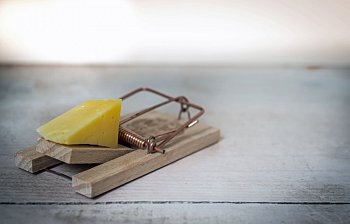
a plan or trick to catch somebody or make them do what you want
graze
- pást se
BrE
/'greɪz/
AmE
/'greɪz/
verb
-
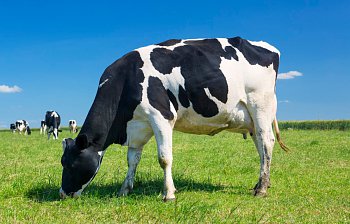
to eat grass from the field or meadow (esp. about cows, sheep etc.)
past
- uplynulý, minulý
BrE
/'pɑ:st/
AmE
/'pæst/
adjective
-
having happened already
past
- kolem, okolo (minout)
BrE
/'pɑ:st/
AmE
/'pæst/
preposition
-
to and beyond
past
- po (při určování času)
BrE
/'pɑ:st/
AmE
/'pæst/
preposition
-
after
past
- minulost
BrE
/'pɑ:st/
AmE
/'pæst/
noun
-
the time before now, before the present
past
- za
BrE
/'pɑ:st/
AmE
/'pæst/
preposition
-
behind, after
past participle
- příčestí minulé, minulé příčestí
BrE
/ˌpɑ:st pɑ:'tɪsɪpl/
AmE
/ˌpæst pɑ:r'tɪsɪpl/
noun
-
the form of the verb used in the passive voice, the present perfect etc. (e.g. done, gone, been, finished...)