smooth
- hladký, hebký, jemný
BrE
/
'smu:ð/
AmE
/
'smu:ð/
adjective
-
having an even surface without any rough parts, having a surface that things can easily slide on
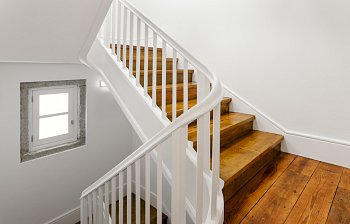
rail
- zábradlí
noun
-
A long thing along stairs or a balcony, which you can hold on to stop you falling
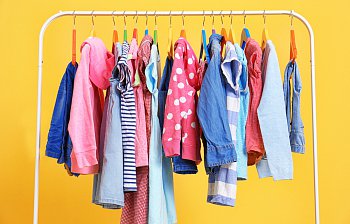
rack
- přihrádka, regál, věšák
noun
-
a set of poles, shelves or hooks that you use to put or hang various things on
swing
- houpačka
noun
-
a seat hanging from something that you can sit on and move back and forth for fun
buckle
- přezka, spona
noun
-
a kind of fastener that can join two ends of straps together (e.g. on a backpack etc.)
cooker
- vařič, sporák
noun, British English
-
a piece of kitchen equipment that has an oven and electric or gas rings to cook on
go sledging
- jít sáňkovat
BrE
/
ˌgəʊ'sledʒɪŋ/
AmE
/
ˌgoʊ'sledʒɪŋ/
verb
-
to spend some time sliding over snow down a hill on a small vehicle, usually for fun
gate
- odletová brána, letištní východ (příchod k letadlu)
noun
-
a place at an airport that is used by passengers to get on or off a plane
handrail
- zábradlí
BrE
/
'hændreɪl/
AmE
/
'hændreɪl/
noun
-
a long thing along stairs or a balcony, which you can hold on to stop you falling
reflector
- odrazové sklíčko, odrazka
BrE
/
rɪ'flektə/
AmE
/
rɪ'flektər/
noun
-
a small red or yellow etc. piece of plastic that reflects light (esp. on a bicycle etc.)
anchovy
- ančovička
BrE
/
'æntʃəvi/
AmE
/
'æntʃoʊvi/
noun
-
a type of small sea fish that is often canned and served on pizza, in salads etc.
sunbed
- solárium, solárko (ve tvaru postele)
BrE
/
'sʌnbed/
AmE
/
'sʌnbed/
noun, British English
-
a structure like a bed with ultraviolet lights that you lie on to make your skin browner
birthmark
- mateřské znaménko
BrE
/
'bɜ:θmɑ:k/
AmE
/
'bɜ:rθmɑ:rk/
noun
-
a mark on your skin (usually brown, black or red) that you've had since you were born
cappuccino
- kapučíno
BrE
/
ˌkæpʊ'tʃi:nəʊ/
AmE
/
ˌkæpə'tʃi:noʊ/
noun
-
Italian coffee made with hot milk and froth, usually served with chocolate or cinnamon powder on top
INTERMEDIATE
Marek Vít
|
5. 5. 2025
| komentáře:
103
Jak se v angličtině tvoří a hlavně jak se používá čas PŘEDMINULÝ
(past perfect).
Pokračování článku »