the passive
- trpný rod
BrE
/
'ðə pɑ:sɪv/
AmE
/
'ðə pæsɪv/
noun
-
a grammatical construction in which the subject is affected by the verb or by the object
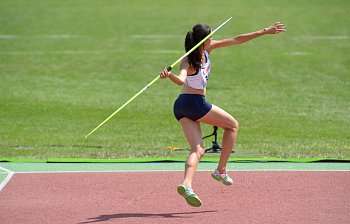
the javelin
- hod oštěpem (v atletice)
BrE
/
ðə'dʒævlɪn/
AmE
/
ðə'dʒævlɪn/
noun
-
an event in athletics in which the athlete throws a light long throwing stick with a pointed tip
the discus
- hod diskem
BrE
/
ðə'dɪskəs/
AmE
/
ðə'dɪskəs/
noun
-
an event in athletics, the athlete throws a flat round object as far as he/she can
the public
- veřejnost
BrE
/
ðə'pʌblɪk/
AmE
/
ðə'pʌblɪk/
noun
-
people in general
the movies
- kino
BrE
/
'ðə mu:viz/
AmE
/
'ðə mu:viz/
noun, American English
-
a building where you go to see a film
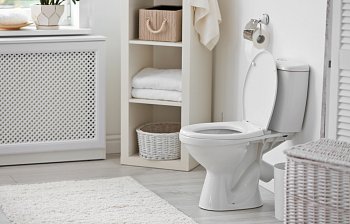
the can
- hajzl (záchod), záchod
BrE
/
ðə'kæn/
AmE
/
ðə'kæn/
noun, informal
-
a piece of furniture (or a small room) where you can get rid of the waste material in your body
in
- v (časová předložka)
preposition
-
the preposition we use with months, years, centuries, parts of day etc.
in
- uvnitř, dovnitř
adverb
-
towards the inside, to the inside of something
in
- z, ze (nějakého počtu či množiny)
preposition
-
out of a particular number
in
- za (jak dlouho)
preposition
-
within a certain time frame
PRE-INTERMEDIATE
Marek Vít
|
7. 1. 2007
| komentáře:
1
Test zaměřený na gramatické a lexikální jevy obsažené v písni skupiny
Escape from Earth ‚A Kiss in a Cup‘.
Pokračování článku »
INTERMEDIATE
Marek Vít
|
19. 8. 2021
| komentáře:
18
Proč se ve vedlejších podmínkových, časových, místních,
předmětných apod. větách často používá přítomný čas místo
budoucího WILL?
Pokračování článku »
be in for
- očekávat (něco), hrozit, nevyhnout se (někomu nějaká událost)
BrE
/
bi: 'ɪn fɔ:/
AmE
/
bi: 'ɪn fɔ:r/
verb, informal
-
to be going to experience something
be interested in
- zajímat se o (co)
BrE
/
ˌbi: 'ɪntrɪstɪd ɪn/
AmE
/
ˌbi: 'ɪnt̬ərestɪd ɪn/
verb
-
to enjoy an activity, to have something as a hobby
be in charge
- mít na starosti (něco)
BrE
/
ˌbi: ɪn'tʃɑ:dʒ/
AmE
/
ˌbi: ɪn'tʃɑ:dʒ/
verb
-
to be responsible for something






 Test: A Kiss in a Cup (jevy obsažené v textu písně)
 Přítomný čas místo budoucího WILL