noun
-
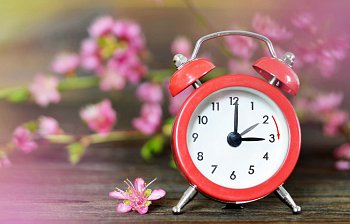
the time used in the UK in summer that is one hour ahead of Greenwich Mean Time (it is often abbreviated as BST)
daylight saving time
- letní čas
BrE
/ˌdeɪlaɪt 'seɪvɪŋ taɪm/
AmE
/ˌdeɪlaɪt 'seɪvɪŋ taɪm/
noun, American English
-
the time when clocks are one hour ahead of standard time during the summer (abbreviated as DST)
future perfect
- předbudoucí čas
BrE
/ˌfju:tʃə'pɜ:fɪkt/
AmE
/ˌfju:tʃər'pɜ:rfekt/
noun
-
a grammar structure consisting of WILL HAVE + past participle, such as 'I will have seen this film.'
free time
- volný čas
BrE
/'fri: taɪm/
AmE
/'fri: taɪm/
noun
-
the time when you can do what you like, the time when you are not studying or working
tense
- čas (gramatický)
BrE
/'tens/
AmE
/'tens/
noun
-
a grammatical category that concerns the verbs, showing when the action happens
spare time
- volný čas
BrE
/ˌspeə'taɪm/
AmE
/ˌspeə'taɪm/
noun
-
the time when you do not work or study, the time when you can do what you like
about time
- nejvyšší čas
BrE
/əˌbaʊt'taɪm/
AmE
/əˌbaʊt'taɪm/
phrase
-
a moment when something should not be put off any longer, when something should be done
high time
- nejvyšší čas
BrE
/ˌhaɪ'taɪm/
AmE
/ˌhaɪ'taɪm/
phrase
-
a moment when something should not be put off any longer, when something should be done
time will tell
- čas ukáže
BrE
/ˌtaɪm wɪl'tel/
AmE
/ˌtaɪm wɪl'tel/
phrase
-
a saying that says that we will see how something works out after a period of time, not now
Greenwich Mean Time
- střední čas, světový čas, GMT
BrE
/ˌgrenɪtʃ 'mi:n taɪm/
AmE
/ˌgrenɪtʃ 'mi:n taɪm/
noun
-
the time that world time zones are based on, it is measured at Greenwich in England
lunchtime
- čas oběda, oběd (čas oběda)
BrE
/'lʌntʃˌtaɪm/
AmE
/'lʌntʃˌtaɪm/
noun
-
the time when people have lunch
past perfect
- předminulý čas, předminulý čas prostý
BrE
/ˌpɑ:st'pɜ:fɪkt/
AmE
/ˌpæst'pɜ:rfekt/
noun
-
a grammatical structure that is used for actions that happened before another action in the past, the structure is HAD + past participle (had done, hadn't seen etc.)
Otestujte is znalost přítomného času pro různé situace, rozhodněte
použití prostého přítomného času nebo průběhového
přítomného času.
Pokračování článku »




 Present tenses - theoretical test
 Změna času v angličtině